
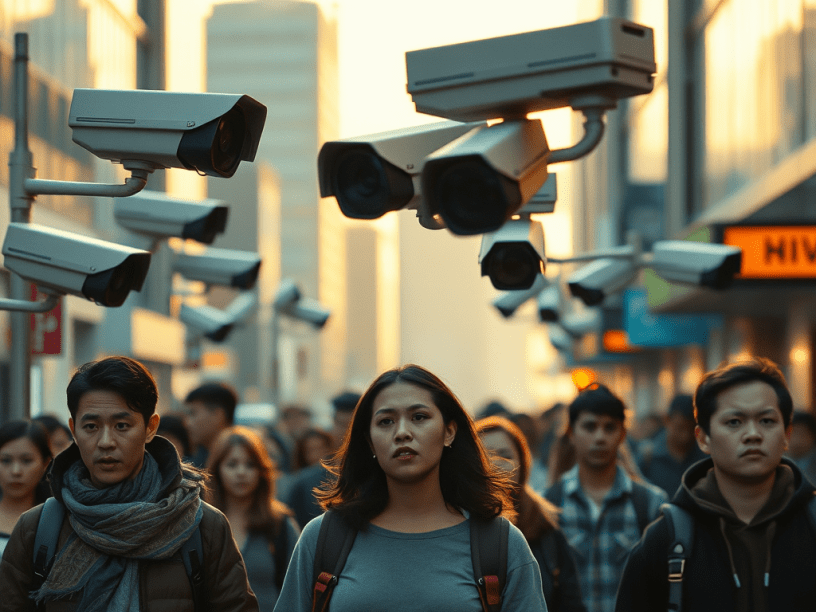
The widespread deployment of AI-powered surveillance systems raises significant concerns about data privacy. These systems collect and process vast amounts of personal data, including facial images, location data, and other sensitive information. This raises questions about the extent to which governments and private entities can collect and use such data, and how it should be protected from misuse.
Key Privacy Concerns:
- Mass Surveillance: AI-powered surveillance systems can enable mass surveillance, allowing governments and private entities to monitor the activities of large populations. This raises concerns about the erosion of privacy rights and the potential for abuse of power.
- Data Retention: The retention of personal data collected by AI-powered surveillance systems raises concerns about the length of time this data should be stored. Prolonged retention can increase the risk of data breaches and misuse.
- Data Sharing: The sharing of personal data collected by AI-powered surveillance systems with third parties can pose significant privacy risks. Governments and private entities should have clear policies and procedures in place to govern the sharing of such data.
- Facial Recognition: Facial recognition technology is a particularly sensitive area, as it can be used to identify and track individuals without their knowledge or consent. This raises concerns about the potential for misuse of facial recognition data, such as for surveillance, discrimination, or harassment.
Addressing Privacy Concerns:
To address these privacy concerns, governments and private entities should:
- Implement Strong Privacy Laws: Enact and enforce strong privacy laws that protect individuals’ rights to control their personal data.
- Conduct Privacy Impact Assessments: Conduct privacy impact assessments before deploying AI-powered surveillance systems to identify and mitigate potential privacy risks.
- Limit Data Collection: Limit the collection of personal data to what is necessary for the intended purpose.
- Implement Data Minimization: Implement measures to minimize the amount of personal data collected and stored.
- Ensure Data Security: Implement robust security measures to protect personal data from unauthorized access, use, disclosure, destruction, modification, or loss.
- Provide Transparency: Be transparent about the use of AI-powered surveillance systems, informing individuals about the types of data collected, how it is used, and their rights to access and correct their data.
- Establish Accountability Mechanisms: Establish accountability mechanisms to hold governments and private entities accountable for violations of privacy laws.
By addressing these privacy concerns, it is possible to harness the benefits of AI-powered surveillance while protecting individuals’ rights to privacy.
 LAW POLICY TECH